Water is one of the most common threats a home can face, yet it is also one of the most easily overlooked. When homeowners picture water damage, they usually imagine a major event like a flooded basement or a burst pipe that sends water rushing across the floor. While those situations are serious, the most harmful water related issues are often the ones that start quietly and grow slowly over time. A small leak, a damp corner, or moisture trapped behind a wall can cause more long lasting damage than a visible puddle of water ever could. Understanding how hidden water damage works and knowing how to stop it early can protect your home from structural problems, unhealthy conditions, and expensive repairs.
How Water Damage Begins
Water rarely announces itself loudly in the beginning. Most problems start with something simple. A loose plumbing connection. A roof that drips during heavy rain. A window that does not seal properly. Even condensation from high humidity can settle into materials and create trouble. These small issues often remain unnoticed for weeks or months, giving water enough time to move into places where it does not belong.
Building materials absorb water easily. Wood, drywall, insulation, and flooring all soak up moisture like a sponge. Once these materials become damp, they begin to weaken. Wood can swell or warp. Drywall can crumble. Insulation can lose its ability to regulate temperature. What looks like a tiny stain or a soft spot on a wall may actually be the surface sign of a much larger problem hidden out of view.
The Structural Damage You Might Not See
Water can quietly undermine the strength of your home. Floors begin to sag as joists and subflooring absorb moisture. Walls become soft where water has weakened the drywall. Wooden beams in the attic or basement grow soft as moisture breaks down the fibers. Over time, these changes become more visible, but by the time they do, the damage is often extensive.
One of the biggest concerns is damage to the foundation. Water that seeps into cracks or pools along the base of the home can create pressure that pushes against the foundation. This pressure can cause cracks to deepen or spread, weakening the entire structure. Once a foundation issue begins, the repair process becomes much more complicated and costly.
Another hidden issue is electrical damage. Water that reaches wiring can lead to corrosion and create dangerous conditions. Homeowners often do not realize this has happened until switches stop working or circuits trip repeatedly. In some cases, this type of damage can pose a serious fire risk if it is not addressed quickly.
Why Mold Is a Major Concern
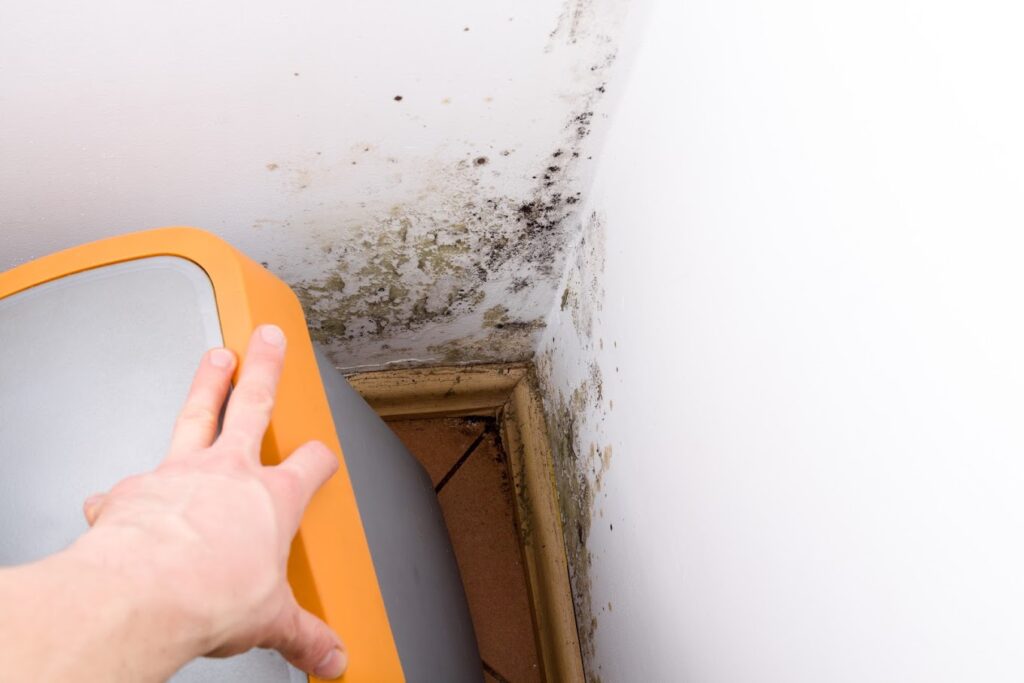
Although structural damage is serious, mold growth is the issue many homeowners notice first. Mold thrives in damp and dark areas, which means it often grows behind walls, under flooring, or inside cabinets long before it becomes visible. Once mold takes hold, it spreads through microscopic spores that move easily through the air.
Mold affects indoor air quality and can trigger health issues for many people. Breathing in mold spores can lead to congestion, headaches, coughing, and other symptoms. In homes with children, elderly residents, or individuals with respiratory problems, mold becomes an even greater concern.
The challenge with mold is that it can form quickly. In many cases, mold begins growing within twenty four to forty eight hours of water exposure. A small leak that is left untreated can turn into a widespread mold problem in just a few days. Because mold often grows out of sight, homeowners may not realize there is a problem until it has already spread across a large area.
How Water Damage Affects Flooring and Carpets
Flooring often suffers the most from hidden water exposure. Carpets absorb moisture easily, and once water settles into the padding beneath, it can linger for a long time. Even after the surface feels dry, the material underneath may still be damp. This creates a perfect environment for mold and odors.
Hardwood floors can swell and warp when exposed to moisture. Boards may begin to cup or separate, creating uneven surfaces. Tile flooring can also be affected. Water that seeps through grout lines can weaken the adhesive underneath, causing tiles to loosen or crack.
Laminate flooring is especially vulnerable because moisture that reaches the core of the material causes it to expand and separate. Once this happens, the flooring usually cannot be repaired and must be replaced entirely.
Signs of Hidden Water Damage
While water damage often hides beneath the surface, there are several warning signs homeowners should watch for:
• A musty or earthy smell in certain rooms
• Peeling paint or bubbling wallpaper
• Dark or yellowish stains on walls or ceilings
• Soft spots or warping in floors
• Sudden increases in utility bills
• Persistent condensation on windows
• Cracks that appear or grow over time
Even small changes can signal a bigger issue. The earlier these signs are recognized, the easier it is to stop the damage and prevent further problems.
How to Stop Water Damage Early
The best way to protect your home is to respond quickly when you notice anything unusual. Start by checking the source of the moisture. Look under sinks, around appliances, near windows, and in the basement. If you find an active leak, shut off the water supply if possible and clean up any standing water.
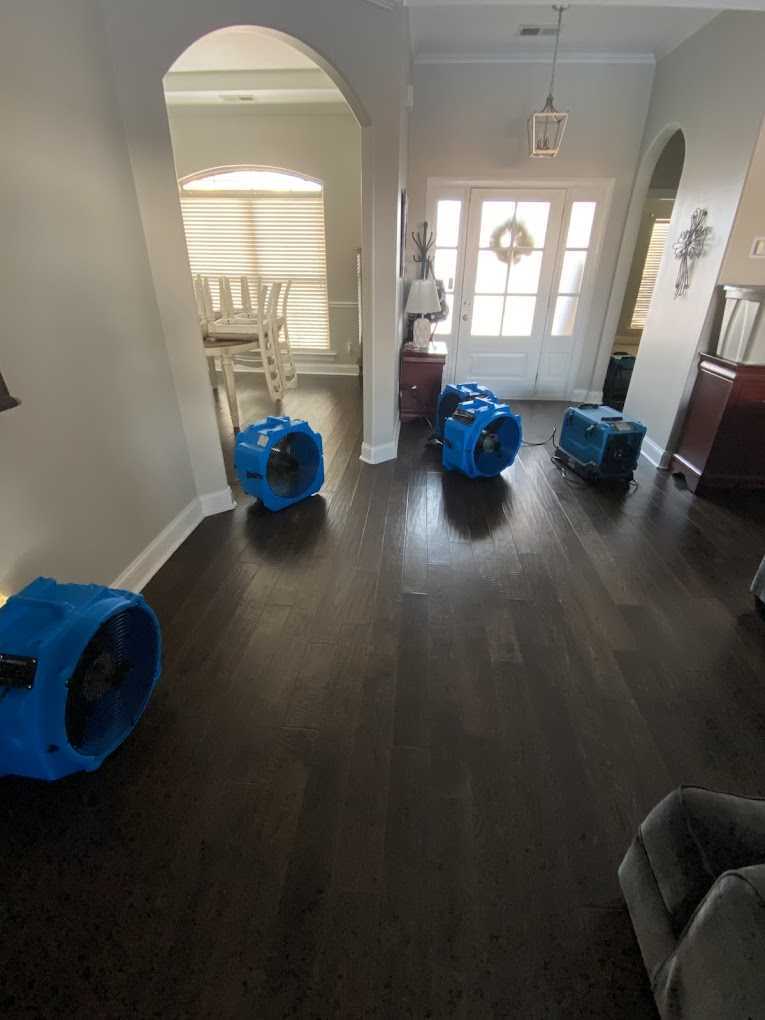
However, visible cleanup is only part of the solution. Water often spreads into materials that cannot be dried with a simple towel. Professional water damage restoration teams use advanced tools like moisture meters, thermal cameras, and industrial drying equipment to locate and remove moisture that is hidden beneath surfaces. This step is essential because materials need to be dried thoroughly to prevent long term issues like mold growth and structural weakening.
Another important step is to ensure proper ventilation. Homes with poor airflow often develop moisture problems even without a major leak. Using fans, opening windows when possible, and maintaining proper humidity levels can help prevent moisture from settling into the structure.
Regular home maintenance is also an effective prevention strategy. Checking the roof for loose shingles, inspecting plumbing, cleaning gutters, and sealing window frames can all reduce the risk of water entering the home.
Why Professional Help Matters
Many homeowners try to manage water damage on their own, especially when the issue looks small. While surface level cleanup is a good first step, only professional restoration ensures that the deeper moisture is fully removed. Restoration teams use commercial grade dehumidifiers and drying systems that can reach into subflooring, behind walls, and inside insulation. This level of thoroughness is essential for preventing mold and structural problems.
Professionals also evaluate the condition of the materials to determine whether certain parts of the home can be saved or need to be replaced. This assessment helps homeowners avoid future repairs and ensures that the property returns to a safe and stable condition.
Protecting Your Home for the Future
Understanding the hidden dangers of water damage is one of the best ways to protect your home. Water does not need to appear in large amounts to cause trouble. Even small issues can create significant damage if they are not addressed quickly. By recognizing early signs, responding promptly, and relying on professional restoration when needed, you can keep your home safe, stable, and healthy for years to come.