Snowstorms bring cold temperatures, heavy snowfall, and icy winds—but one of the most damaging problems they cause often happens inside your home. Frozen pipes are a common winter emergency that can lead to burst plumbing, flooding, water damage, and expensive repairs.
Many homeowners only think about frozen pipes after something goes wrong. The reality is that frozen pipes are largely preventable if you understand why they happen and how to protect your plumbing before and during a winter storm.
This guide explains how frozen pipes occur, which areas of your home are most vulnerable, and what you can do before, during, and after a snowstorm to keep your pipes from freezing.
Why Do Pipes Freeze During Snowstorms?
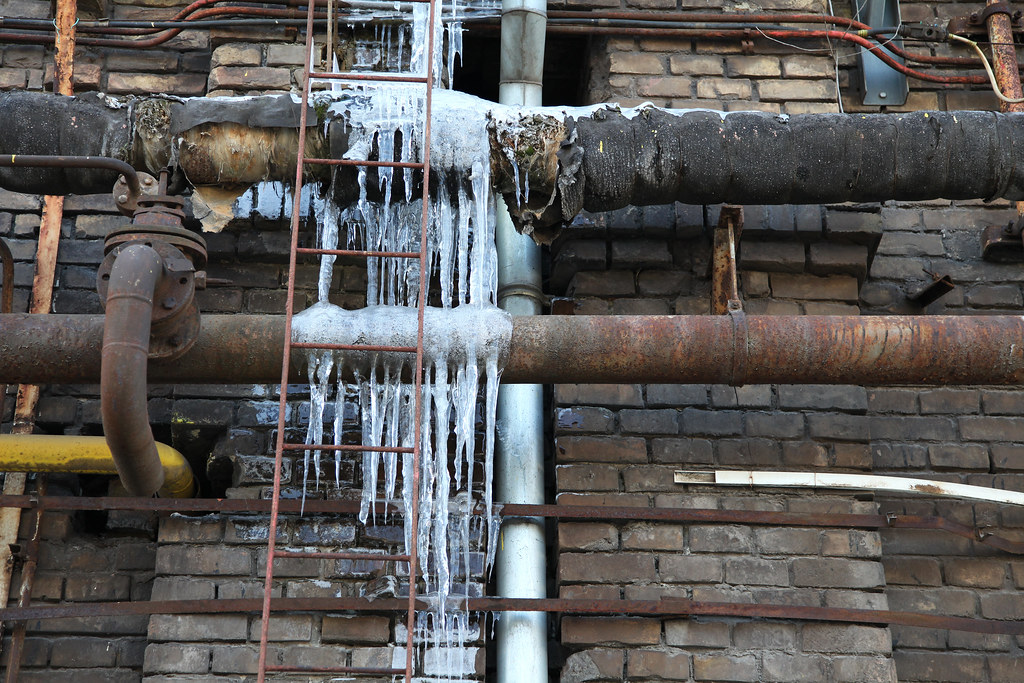
Pipes freeze when the temperature drops below 32°F (0°C) and the water inside them turns to ice. When water freezes, it expands. That expansion puts intense pressure on the inside of the pipe, often causing cracks or bursts.
Snowstorms are especially dangerous because:
Temperatures stay low for extended periods
Wind chill increases heat loss from walls and pipes
Homes may experience power outages
Some areas of the home receive little to no heat
Often, pipes don’t burst immediately. They may crack while frozen and only begin leaking once temperatures rise and the ice melts. This delay can allow water damage to spread before it’s noticed.
Which Pipes Are Most Likely to Freeze?
Not all pipes face the same risk during a snowstorm. Pipes that are exposed to cold air or lack insulation are far more likely to freeze.
The most vulnerable pipes are usually found:
Along exterior walls
Under kitchen and bathroom sinks
In unheated basements, crawl spaces, and attics
Inside garages or utility rooms
Outdoors, including hose bibs and sprinkler lines
Knowing where these pipes are located helps you focus your prevention efforts where they matter most.
How to Prevent Frozen Pipes Before a Snowstorm
The best way to prevent frozen pipes is to prepare before temperatures drop. Waiting until a storm has already started can limit your options.
Keep Your Home Warm
Maintaining a consistent indoor temperature is one of the most effective ways to prevent frozen pipes. Even if you plan to leave your home during winter weather, keep the heat on. Turning off your heating system allows cold air to reach plumbing quickly, especially during prolonged snowstorms.
A steady indoor temperature helps protect pipes hidden behind walls, under floors, and inside cabinets.
Seal Out Cold Air
Small gaps around your home can allow freezing air to reach pipes. Common entry points include:
Cracks around windows and doors
Gaps where pipes enter walls
Openings around dryer vents or electrical wiring
Sealing these areas helps keep warm air inside and reduces cold air exposure near plumbing.
Insulate Vulnerable Pipes
Pipes located in unheated or poorly insulated areas benefit greatly from insulation. Pipe insulation sleeves or wraps help retain heat and slow down freezing. Even temporary insulation can provide valuable protection during extreme cold.
This is especially important for pipes in basements, crawl spaces, garages, and attics.
Disconnect Outdoor Hoses
Outdoor plumbing is highly exposed during snowstorms. Disconnect garden hoses, shut off outdoor water supplies if possible, and drain any remaining water. Leaving hoses attached can trap water inside pipes, making freezing more likely.
What to Do During a Snowstorm to Prevent Frozen Pipes
Once a snowstorm begins, your focus should shift to keeping water moving and heat circulating.
Let Faucets Drip Slightly
Running water is less likely to freeze than standing water. Allowing a faucet to drip slowly—especially one connected to pipes near exterior walls—can help prevent freezing by relieving pressure and keeping water flowing.
This small step can significantly reduce the risk of pipe damage during extreme cold.
Open Cabinet Doors
Pipes under sinks are often enclosed in cabinets, which can trap cold air. Opening these cabinet doors allows warm indoor air to circulate around the pipes, helping them stay above freezing temperatures.
This is especially useful in kitchens and bathrooms located along exterior walls.
Avoid Turning Off Heat at Night
It may be tempting to lower the thermostat overnight, but drastic temperature drops increase the chance of frozen pipes. Keeping the heat consistent during a snowstorm provides ongoing protection, especially during the coldest overnight hours.
What Happens If Pipes Freeze?
Despite your best efforts, pipes can still freeze during severe weather. Recognizing the signs early can help minimize damage.
Common signs of frozen pipes include:
Little or no water coming from a faucet
Frost on visible pipes
Unusual odors coming from drains
Strange sounds when turning on faucets
If you suspect a pipe is frozen, it’s important to act carefully.
How to Safely Thaw Frozen Pipes
If you believe a pipe is frozen but not burst, you may be able to thaw it safely.
Start by keeping the affected faucet open. This allows melting water to escape and reduces pressure inside the pipe. Gradually apply heat to the frozen section using a hair dryer, space heater, or warm towels.
Never use open flames or torches. These can damage pipes, cause fires, and worsen the situation.
If you cannot locate the frozen section or suspect a pipe has burst, shutting off your main water supply and contacting a professional plumber is the safest course of action.
Why Burst Pipes Are So Expensive
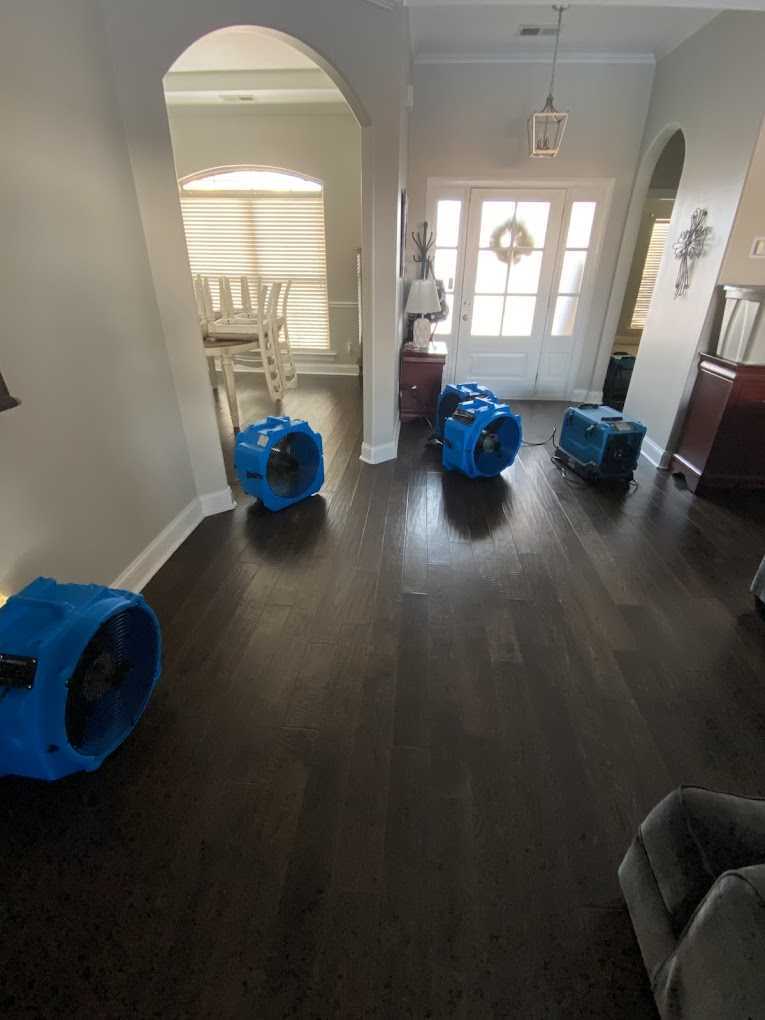
Frozen pipes often lead to burst pipes, which can release large amounts of water into your home. Water damage can affect:
Walls and ceilings
Flooring and carpets
Electrical systems
Furniture and personal belongings
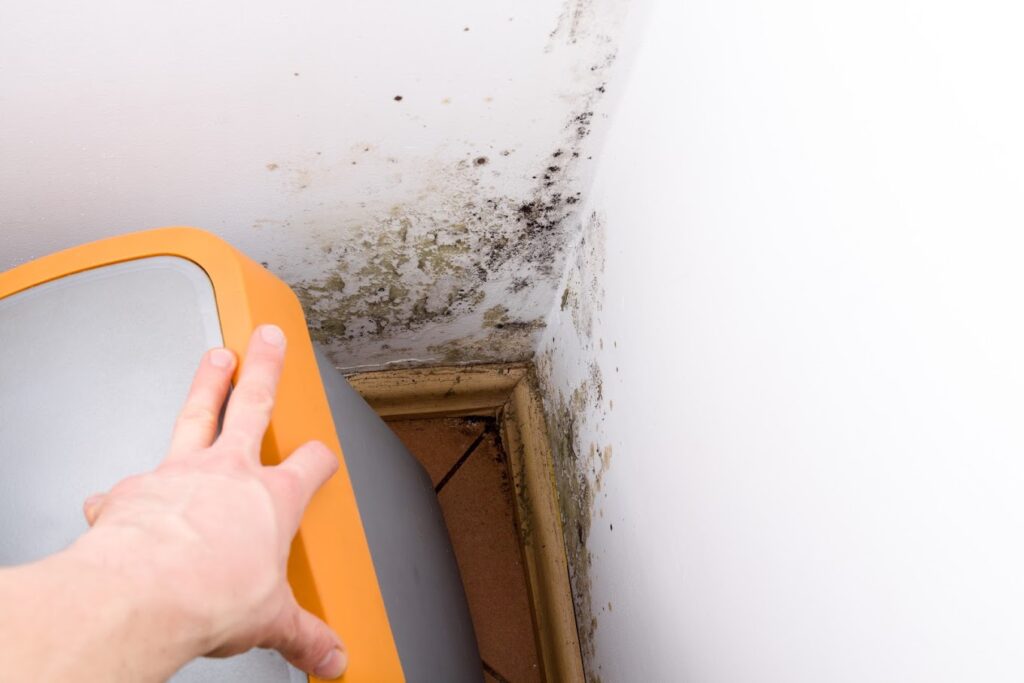
In addition to repair costs, burst pipes can lead to mold growth and long-term structural damage if not addressed quickly.
Preventing frozen pipes is far less expensive than dealing with the aftermath of a plumbing emergency.
Preventing Frozen Pipes If You’re Away From Home
If you plan to travel during winter, frozen pipes become an even bigger risk.
Before leaving:
Set your thermostat to a safe, consistent temperature
Shut off the main water supply if possible
Drain plumbing systems when appropriate
Ask a neighbor or friend to check your home during extreme cold
These precautions can help protect your home even when no one is there to monitor it.
Conclusion: Stay Ahead of Winter Plumbing Problems
Frozen pipes during a snowstorm are a serious but preventable problem. Understanding how pipes freeze, knowing which areas of your home are most vulnerable, and taking proactive steps before and during winter storms can save you from costly repairs and water damage.
By keeping your home warm, sealing out cold air, insulating pipes, and monitoring plumbing during snowstorms, you can protect your home and enjoy winter with peace of mind.
Preparation today can prevent a plumbing emergency tomorrow.