How to Reduce Your Risk of Water Damage in Westland MI
Water damage is one of the most costly and disruptive problems a homeowner can face, and it is especially common in areas like Westland MI where seasonal weather, older housing, and fluctuating temperatures create constant moisture challenges. Many homeowners do not notice water issues until they have already caused visible staining, soft spots in flooring, or a damp smell that spreads through the home. By the time these signs appear, the damage may already be deeper than it seems. The best protection is learning how to prevent water intrusion before it becomes a major problem. Understanding where water issues begin, how they spread, and how to stop them early can save thousands of dollars in repairs and keep your home safe and healthy.
Why Water Damage Happens So Often in Westland MI
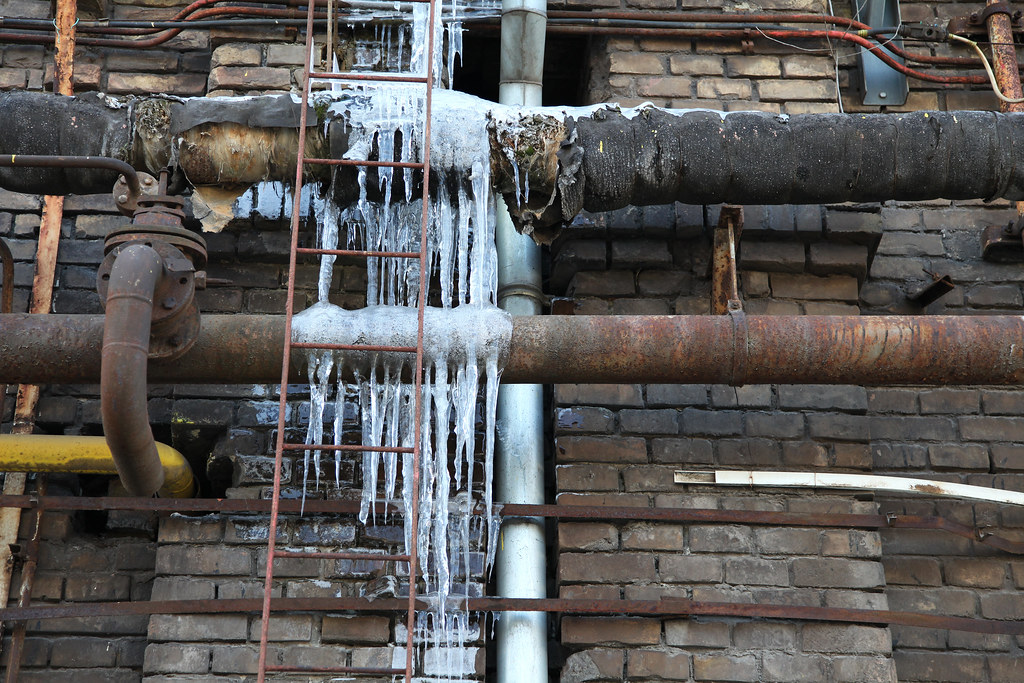
Westland MI experiences a mix of weather conditions that put pressure on local homes. Winter temperatures drop low enough to freeze pipes, and when temperatures rise again, the rapid thaw can cause those pipes to crack or burst. Heavy rain in spring and fall puts stress on roofing, gutters, and drainage systems. Summer humidity creates moisture inside basements and crawl spaces. Even small rainfall events can push water toward the foundation, especially in older neighborhoods where the soil has shifted over time.
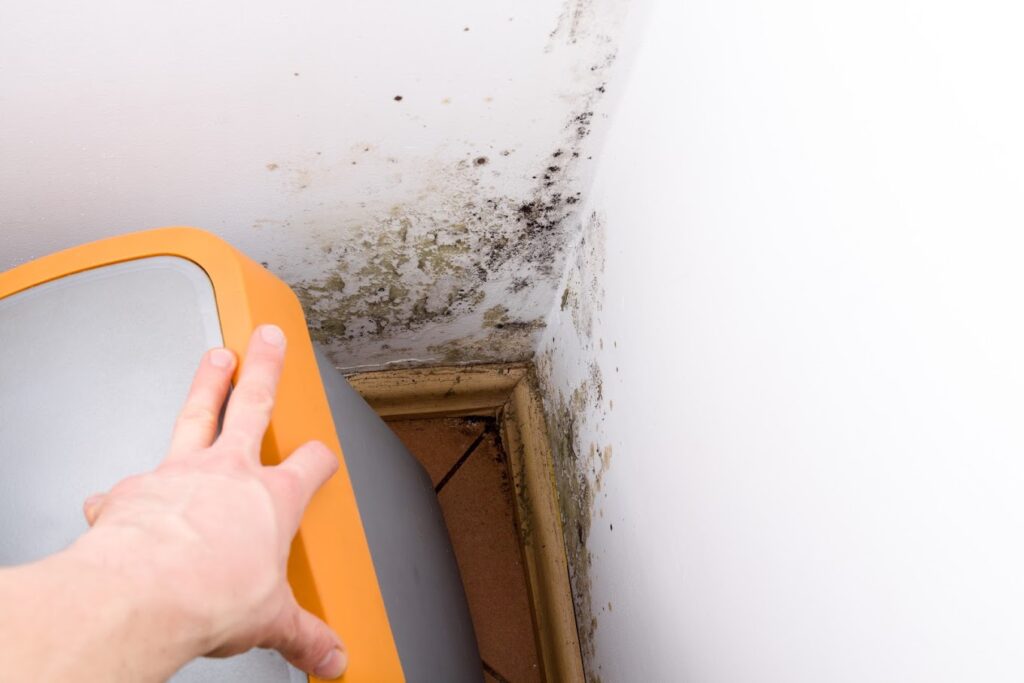
All these conditions make Westland homes vulnerable to leaks, cracks, and moisture buildup. The problem is not always dramatic. Sometimes it starts with something as small as condensation on a window frame or a minor drip under a sink. These small issues can gradually become major structural problems if the water is allowed to settle into the materials of the home. Wood begins to soften, drywall absorbs moisture, insulation becomes damp, and mold begins to grow in places no one can see. The longer the water remains, the more damage it creates.
How Water Damage Begins Inside the Home
Water damage often starts in the most used areas of the home. Bathrooms are common sources because of constant steam and moisture from showers. Kitchens also see frequent leaks from sinks, dishwashers, and refrigerators. Laundry rooms can develop unnoticed leaks behind washing machines or inside the lines that supply water. Basements are especially vulnerable in Westland MI because moisture tends to settle in lower levels of the home, especially during rainy seasons or snow melt.
One of the biggest challenges is that water rarely stays where it starts. Once it enters a wall, floor, or ceiling, it travels along the structure. A leak near the roof may cause stains on a lower level. Water under a kitchen sink may spread to the cabinet floor and then move into the wall. This ability to travel makes early detection essential.
The Signs of Early Water Damage
Spotting water damage early is the best way to protect your home. Even small warnings should never be ignored. Look for:
• A musty smell that lingers in certain rooms
• Soft or uneven flooring
• Peeling paint or bubbling wallpaper
• Yellow or brown stains on ceilings
• Doors or windows that suddenly become harder to open
• Condensation forming regularly on windows or pipes
These signs often mean water has already reached the materials inside the walls or floors. Addressing them early prevents much larger issues later.
How to Reduce Your Risk of Water Damage in Westland MI
Preventing water damage begins with learning how moisture enters the home and taking steps to stop it before it spreads. The most effective prevention comes from simple habits and routine checks that catch problems before they grow.
Start by paying attention to the areas of your home where water is used the most. Sinks, showers, washing machines, and water heaters all pose risks. Look underneath sinks every few weeks to make sure there are no damp spots or slow drips. Move appliances occasionally to check for water around the base. Even minor leaks can become serious over time if they are not repaired quickly.
Bathrooms need special attention because steam from hot showers creates moisture that settles on walls, ceilings, and flooring. Good ventilation is essential. Running the exhaust fan during and after showers removes moisture from the air and helps prevent condensation from forming on surfaces. If a bathroom wall feels damp for too long or the paint begins to peel, this could be a sign that moisture is trapped behind the surface.
Kitchens can experience leaks from multiple sources. The refrigerator line, dishwasher, sink, and garbage disposal all need regular checks. Any strange sound, dripping noise, or damp spot under the cabinet should be taken seriously. These small issues often lead to bigger problems when ignored.
Protecting Your Roof and Foundation
Your roof and foundation are two areas that homeowners often forget to check, yet they play the biggest role in preventing water intrusion. In Westland MI, weather changes frequently, and storms can damage shingles without homeowners noticing. A single missing shingle can allow water to seep into the attic and run down the walls. This type of damage often remains hidden until it becomes severe.
Inspecting your roof at least twice a year, especially after strong winds or heavy snow, is an important step in preventing water from entering your home. If you see any loose or damaged shingles, they should be repaired as soon as possible. Gutters should also be cleaned regularly so rainwater can flow away from the house instead of pooling along the roof edge.
The foundation protects your home from moisture in the soil. Cracks or gaps in the foundation allow water to enter slowly and quietly. This can create damp walls or floors in the basement. Once moisture gets inside the foundation, it can cause mold growth and structural weakening. Checking the foundation each season and sealing small cracks can prevent long term damage.
Controlling Moisture Inside the Home
Indoor humidity plays a major role in water damage. Homes in Westland MI often experience higher humidity in the summer due to the warm weather and lower levels of airflow. Basements are particularly vulnerable because they naturally hold cool, damp air. When humidity rises, moisture settles into the walls and flooring, creating conditions for mold.
Improving ventilation is one of the most effective ways to reduce humidity. Running fans, keeping air moving, and using dehumidifiers in basements or damp rooms can keep moisture levels under control. If you notice condensation forming on windows or pipes, this is a sign that the home needs better airflow.
Regular cleaning and maintenance also help keep moisture down. Dust and debris can block air vents and reduce airflow. Keeping vents clear and making sure the HVAC system is in good condition improves circulation and helps keep the air dry.
How Professional Water Damage Restoration Helps
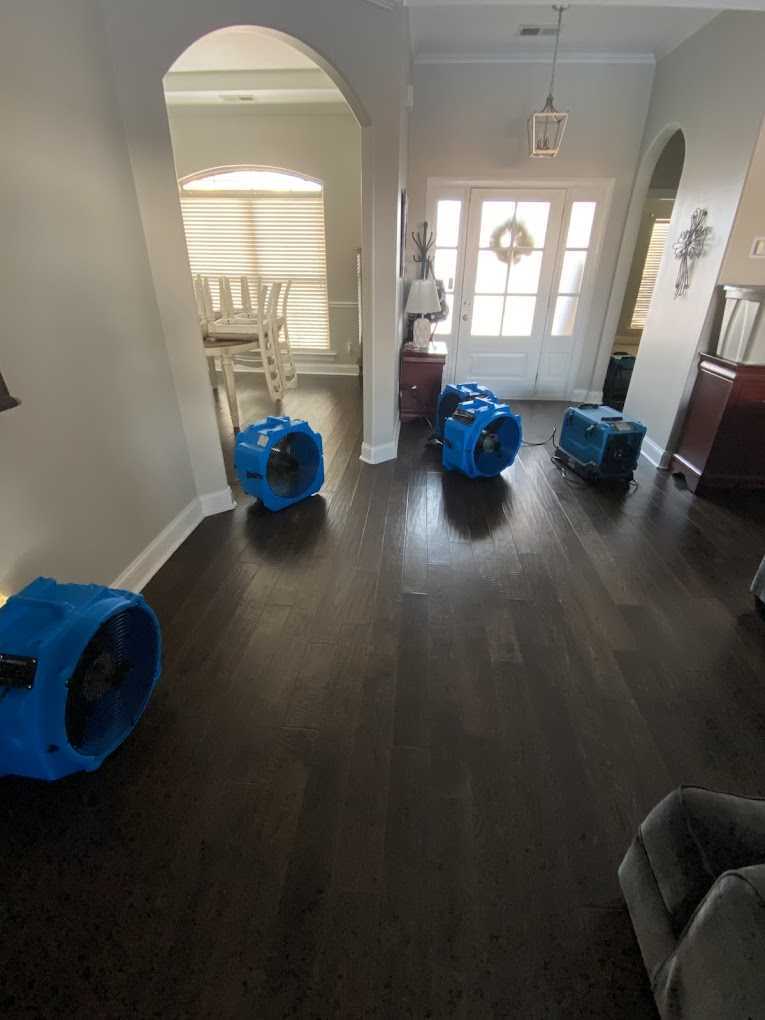
Even with the best prevention, water damage can still occur. When it does, professional restoration is essential because water seeps into places homeowners cannot easily reach. Restoration teams have equipment designed to detect moisture deep inside walls, floors, and insulation. They use strong extraction tools and industrial drying equipment to remove water completely, not just from the surface.
Professionals also understand how water moves through a structure. They know where to check for hidden moisture and how to prevent mold from developing. By removing water thoroughly and treating affected areas, they restore the home safely and prevent long term issues.
Protecting Your Westland MI Home for the Future
Water damage may be unpredictable, but it does not have to be disastrous. When homeowners pay attention to early signs, maintain essential parts of the home, and control moisture, they significantly reduce the risk of damaging leaks and costly repairs. For everything else, fast professional restoration ensures the home stays strong, safe, and healthy for years to come.